Introduction
In the fascinating world of politics, people are the essential players. Public relations (PR) is also being used as an invisible weapon behind the scenes. Public relations is more than simply beautiful events and glossy images; it is a fundamental factor that impacts how we see politicians and their beliefs. Simply put, their role is to build relationships between the organizations and the public.
It is a dynamic force that influences how we perceive politics. Its influence is still felt today, from campaigns in current times to those in ancient Rome. It’s not just about perfecting your appearance; it’s also about developing stories that appeal to the general public. So, the next time a politician makes news, keep in mind that a variety of PR tactics are at work behind the scenes to influence how politics is practiced today.
Political Public Relation
Think of PR as the master director working behind the scenes and politics as a huge stage. Political PR goes beyond simply supporting a candidate; it also involves developing an emotionally engaging story that connects with the general public. Its role?
To communicate effectively, control communication, and influence public opinion regarding political leaders and their views. Consider it as constructing a bridge between the public and politicians.
Indian Political Public Relations
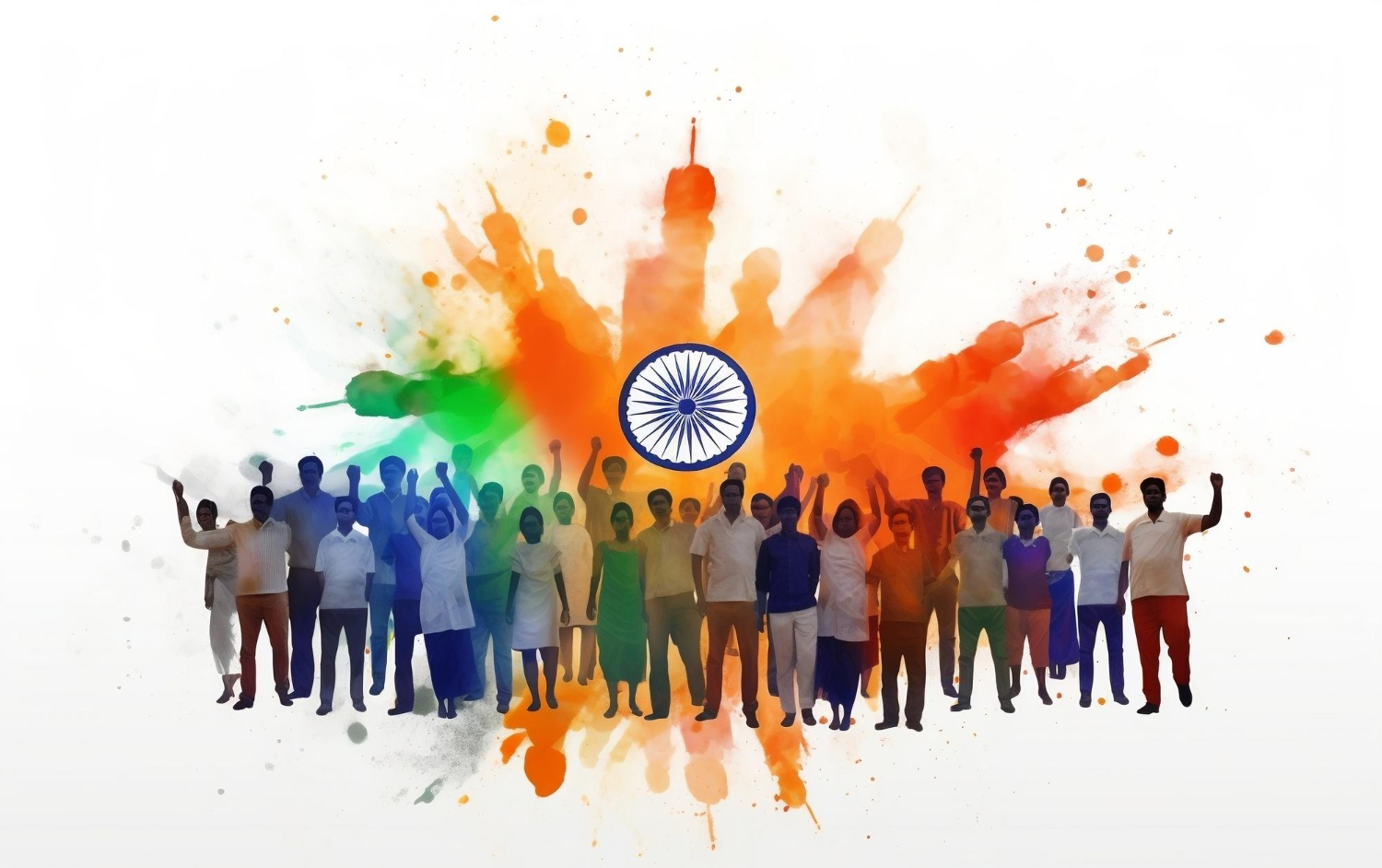
It is essential for political parties seeking to gain power in Indian politics to effectively communicate through various channels. A political party’s ability to communicate effectively with its people determines whether it will succeed. In this realm, political parties use public relations (PR). In a democratic society like India, the general populace must be informed about governmental operations and for politicians to grasp the general consensus. The popular party of India: the Bharatiya Janata Party (BJP), has connections with various PR agencies like Madison Media for the proliferation of their programs and principles to sway the public on their side. The BJP government uses public relations programs like “Chai Pe Charcha” and “Mann Ki Baat” to highlight its efforts in engaging the public in governance discussions and seeking feedback for reform. The government has also tried to reach out to kids during board examinations, highlighting the value of yoga and even issuing a book titled “Exam Warriors.”
Navigating and Shaping Public Opinion
Political public relations (PR) aims to create a positive public perception of politicians and political parties through carefully crafted messages, planned media appearances and managed public engagements. PR professionals use framing and messaging to sway public opinion on various subjects by deftly choosing words and emphasizing particular points to change public perception. As PR practitioners collaborate closely with journalists and media outlets to manage coverage, shape the narrative, regulate information release, and uphold a positive public image, media management is also essential. Political public relations professionals are skilled at influencing communications through strategies including selective data presentation and persuasive language. They also participate in crisis management to rebuild the public’s faith, employing techniques like blame diversion and carefully crafted apologies to regain public trust. Additionally, Political PR uses strategies that are well funded but actually lacks the actuality on social media to provide the impression of mass support.
Conclusion
“Some are born great, some achieve greatness, and some hire public relations officers.” This quote by Daniel J. Boorstin showcases the significance of Public Relations. PR experts help in deliberate image construction, framing, media management, spin tactics, and crisis management, shaping and manipulating public opinion. However, As vigilant and responsible citizens, it is our duty to examine information critically, consider various viewpoints, and be alert to any potential manipulation strategies used in political PR. We can encourage an informed and impartial understanding of political issues by doing this.